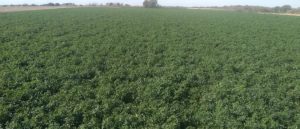
 Alfalfa Fields Needed for First Crop Monitoring
There are a number of projects which I am working or cooperating on this growing season. A key regional project is the annual First Crop Alfalfa Quality Monitoring, which I will be conducting at least weekly from mid-May until most fields are harvested. Along with that project, I am taking part in a state-wide project comparing the PEAQ estimation method to laboratory analysis results. Two other state-wide projects are an alfalfa nutrient use study and a waterhemp population dynamics in alfalfa study. If you have alfalfa fields and are interested in allowing one of them to be used for any of these projects, please see distinct needs below and reply to me at scott.reuss@wisc.edu with your interest.
+ Alfalfa First Crop Quality Monitoring: I walk about 20 representative fields across the four counties trying to have at least one field in each generalized area. If you have alfalfa fields you feel are representative of your area and are willing to let me walk them once (or possibly twice as we get close to harvest) a week, please get me the field location, seeding year, and cultivar information.
+ PEAQ/Lab comparison study. As part of 1st Crop Monitoring, I need 5 representative fields (Langlade, Marinette, Oconto, and one each Western/Eastern Shawano) that are preferrably in their second year to have some additional sampling that aims at correlating in-field quality via laboratory analysis to the PEAQ estimation method. The only additional needs from the field are that I will be clipping a square foot of alfalfa each time I sample these fields as part of the 1st crop monitoring project.
+ Nutrient Usage Study: I need two fields, one higher nutrient input (i.e. consistent dairy manure application) and one lower nutrient input ( i.e. little or no manure and not high levels of potash and othe fertilizers) that are 2nd or 3rd year stands for this study. This study will entail me going into your field and collecting three representive soil samples from three areas within the field and then just prior to each harvest that you conduct, I will get into the field and collect one-two square feet of alfalfa from each of the three areas. The alfalfa will be analyzed to track harvested yield and the amount of nutrients being removed.
+ Last one is a survey study being conducted by UW-Madison weed scientists. They are looking for fields being seeded to alfalfa this year that have high waterhemp populations. In particular, they are hoping to have access to fields which had high waterhemp in 2025 and probably had at least moderate seed production. They would be doing fall and next spring counts and soil sampling, but there would be little else that would be needed, other than all the basic agronomic information.
The University of Wisconsin-Madison Division of Extension provides equal opportunities in employment and programming in compliance with state and federal law.